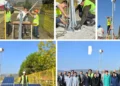
A 17-year-old student from Ankara is demonstrating how youth leadership can transform ideas into real-life solutions. In January 2025, Demir Çolak, a senior at Lycée Français Charles de Gaulle in Ankara, organized and moderated a panel at the Temelli Cultural Center to mark the International Day of Clean Energy, with participation from UNESCO representatives. This time, he turned his call for clean energy into concrete action; leading an initiative that connected a school in an earthquake-affected city, Balıkesir, to renewable energy.
From Vision to Implementation
Çolak coordinated the installation of a 2 kW wind turbine and a 2 kW solar power system with battery storage at Balıkesir Altıeylül Organized Industrial Zone Vocational and Technical Anatolian High School; a school specializing in renewable energy technologies. He took an active role in every stage of the process, not only as the project initiator but also as a hands-on participant. He identified and secured sponsors, enabling the fundraising required for equipment and logistics, managed procurement, and ensured that the renewable systems were compatible with the school’s existing architectural plan. Çolak also coordinated technical permits and logistics, and worked directly on-site with engineers during the installation. Once the system became operational, he delivered a technical presentation and training session for students, explaining how the hybrid system works and how renewable energy can enhance educational resilience. Through this initiative, he demonstrated how young people can lead sustainable change with determination and teamwork.
 Institutional Recognition
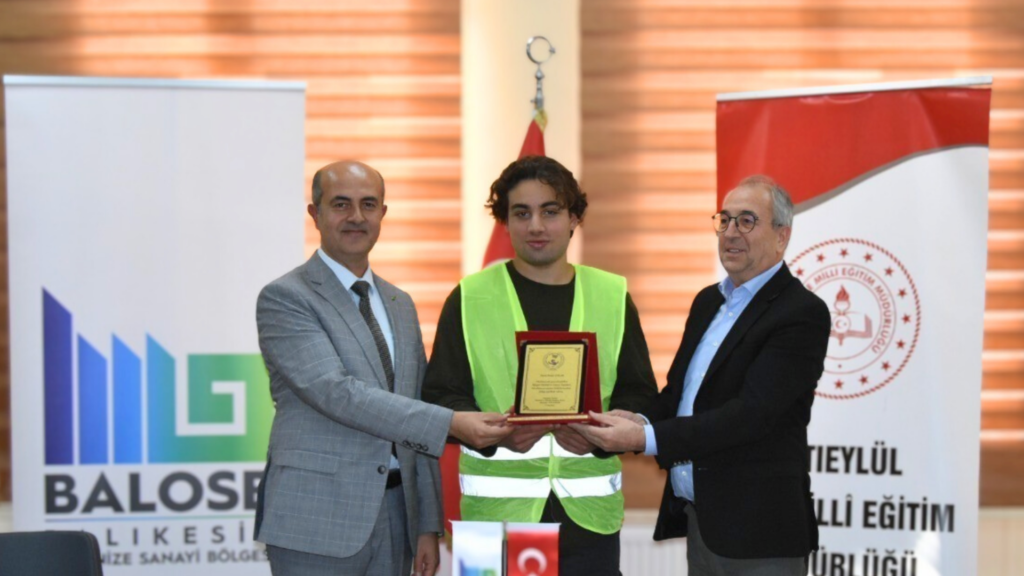
A thank-you plaque was presented to Demir Çolak during the project’s completion ceremony and Balıkesir Provincial Director of National Education, Murat Demir, said:
“Our school specializes in renewable energy technologies, and with this project, our students had the opportunity to observe how wind and solar systems operate together in an integrated way. As the education community, we implement national and international projects to increase the use of renewable energy in our country, and we are proud to be a part of this initiative.”
Çetin Keren, District Director of National Education for Altıeylül, also commended the initiative:
“Teaching renewable energy technologies at an early age is essential. This project transforms our school into both a classroom and a real-world laboratory where students can learn by doing. We are grateful for Demir’s dedication and proud of his enthusiasm and commitment as a 12th-grade student.”
Architectural Thinking Behind the Project
Throughout the design process, Çolak approached the initiative not only as a technical effort but also as an architectural challenge. He analyzed how the renewable energy units could be harmoniously integrated into the school’s existing structure without affecting its safety or aesthetic balance. He reviewed the building’s orientation, sunlight exposure, and prevailing wind directions to determine the optimal placement of the systems. This design approach ensured that the energy systems would not only function efficiently but also complement the architectural identity of the campus. By treating the project as a fusion of engineering and design, he demonstrated that sustainability and architecture share the same purpose; improving human life through thoughtful creation.
Interactive Learning in Action
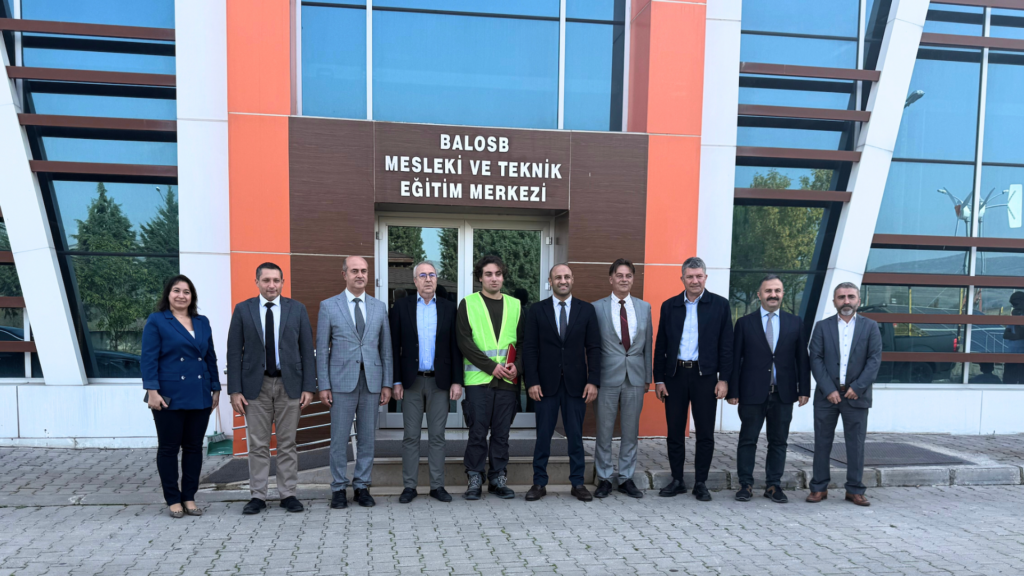
During the installation day, Demir Çolak conducted an interactive session where Balıkesir Altıeylül Organized Industrial Zone Vocational and Technical Anatolian High School’s students took part in a live demonstration of how wind and solar systems generate and store energy. The one-day session allowed them to measure output levels, observe real-time data, and understand the basics of hybrid system maintenance.
A Learning Platform for the Future
The hybrid renewable system now powers the school’s lighting and provides backup energy during outages, turning the building into both a functional safety hub during potential earthquakes and a hands-on learning platform for students.
“This project taught me that change begins when we turn ideas into action,” he said. “Renewable energy is not just technology ; it’s a way of empowering communities and sustainability is not about titles; it is about collaboration and purpose.”
About the Project
The initiative, titled The Resilient Design for Educational Infrastructure, integrates architectural planning, renewable energy systems, disaster-preparedness principles, and educational development. By combining a 2 kW wind turbine and 2 kW solar panels with batteries, the system provides continuous power to key areas of the school, reduces dependence on fossil fuels, and supplies sustainable energy during natural disasters. The project stands as a tangible educational model and an inspiring example of youth-led innovation for sustainable development.
Looking Ahead
“This experience helped me realize that architecture is more than design; it is responsibility,” Çolak reflected. “It is about creating spaces that protect, inspire, and adapt. I hope to pursue architecture studies at university, focusing on sustainability and social impact, to design buildings that serve communities and reflect resilience in both structure and spirit.”
Impact and Future Goals
For Demir, this project was more than an engineering or design effort; it was a journey of learning, teamwork, and purpose. Seeing the system come to life and power a school in need gave him a deeper understanding of how ideas can shape real change. He hopes to continue developing projects that bring together architecture, sustainability, and community impact, believing that every small initiative can inspire others to act. “This experience showed me that when we care enough to start, others will join,” he said. “That’s how change grows; one collaboration at a time.”